IBM SkillsBuild Learning Game
Role: Solo Developer & Researcher
Timeline: 5 Months (Final Year Dissertation)
Tech Stack: [Unity] [C#]
The main dashboard displaying room risk assessments.
The Context
Educational games often layer "gamification" (like points and badges) on top of existing learning systems, which can weaken the educational value and cause player engagement to wane over time. For my Final Year Project, I set out to flip this model: I hypothesized that building a genuinely fun game first, and then seamlessly weaving educational content into the mechanics second, would create a more effective learning tool. I utilized the advanced computer-science courses from IBM SkillsBuild as the core educational material.
My Contributions
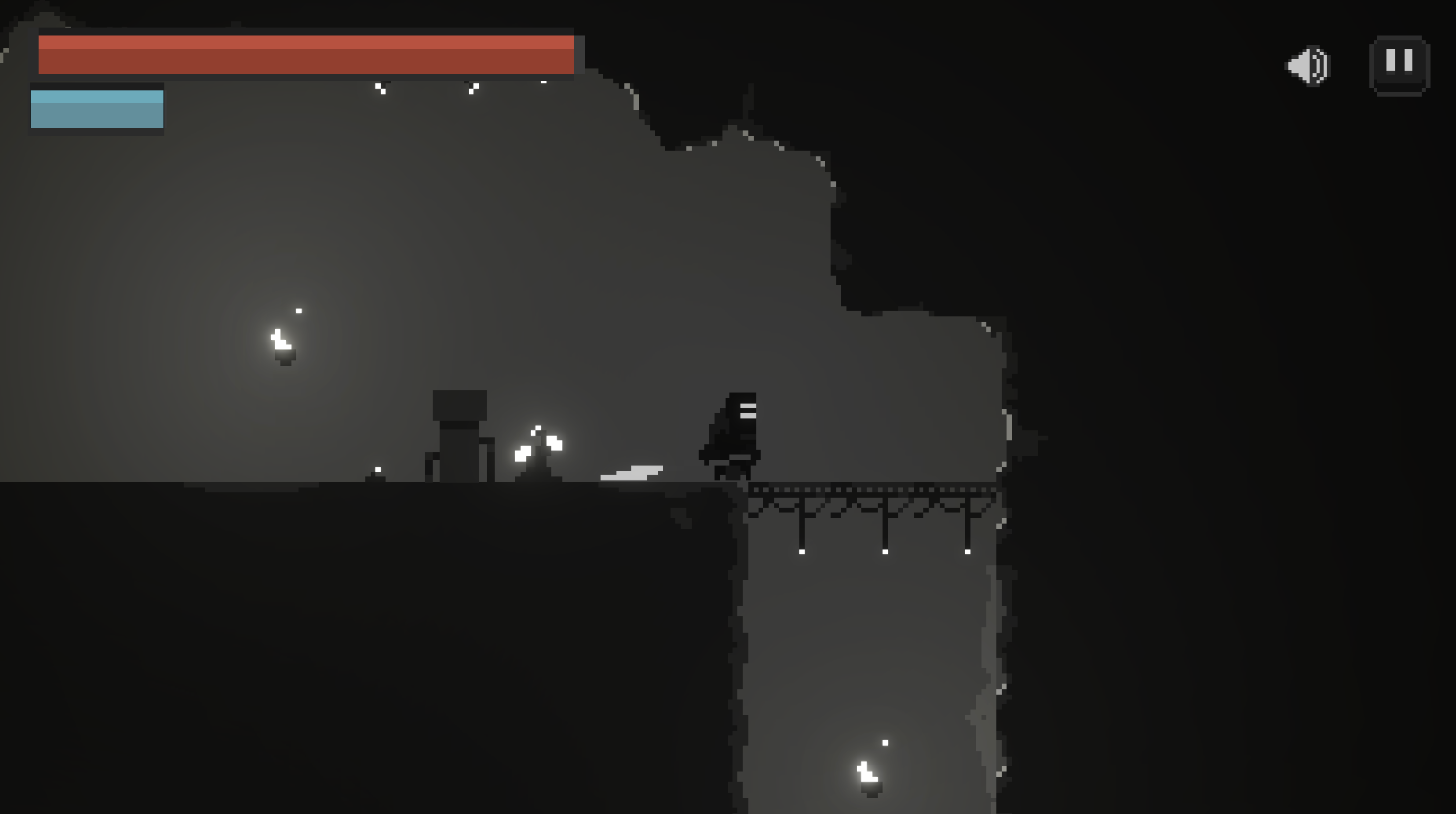
- Gameplay-First Architecture: Engineered a complete 2D action-based platformer in Unity, requiring players to explore environments, manage health, and defeat challenging waves of enemies to progress.
- Integrated Learning Mechanics: Programmed a dynamic "Question Time" system. Instead of random pop quizzes, the educational content is tied to failure states: when a player takes damage, the game triggers a timed IBM SkillsBuild quiz.
- Risk/Reward Combat Loop: Designed the gameplay loop to directly reward learning. Answering a quiz correctly grants the player temporary invulnerability, incentivizing them to actually learn the material to survive difficult combat encounters.
- Empirical Research & Evaluation: Orchestrated formal playtesting sessions and compiled a comprehensive 128-page research report evaluating cognitive and behavioural engagement.
The Outcome
The gameplay-first approach was a massive success. 100% of external playtesters reported high engagement with the core game loop, and a majority (62.5%) explicitly stated they learned the technical content more effectively than through traditional text-and-quiz formats.
[📄 Read Full 128-Page Dissertation] | [🐙 View Source Code]